
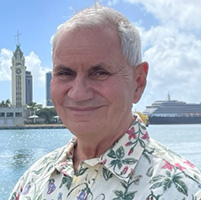
Billionaire Greek shipowner George Procopiou attacked the International Maritime Organization’s (IMO) Net Zero Framework (NSF), including an attack on IMO Secretary General Arsenio Dominguez.
According to a June 3 Posidonia report, Procopiou, a billionaire Greek shipowner and founder of Dynacom Tankers, Sea Traders and Dynagas, “turned up 30 minutes late for the last 40-minute panel at Capital Link’s conference on Posidonia’s first day. One audience member wondered if (he) was delayed writing Arsenio Dominguez’s obituary.”
Procopiou said he could not understand the “obsession” with the NZF and why the IMO would want to target a 2% share of the world’s carbon footprint, given that shipping handles 90% of global trade while emitting only 2% of global carbon emissions.
He said that a Suezmax tanker that costs $80M and requires 20 years of operations to repay bank loans would need to earn three times its cost or about $240M to make a profit when NZF costs are taken into account.
As a result, the IMO’s intent to support the NZF would result in “this very adventurous new IMO Secretary General Arsenio Dominguez (who) wants to become the biggest banker in the world,” according to the report.
Procopiou’s comments were received by the Capital Link’s audience with loud acclaim.
However, the consensus is that the cost to global shipping of the NZF is a 20% cost increase.
According to a Lloyds List report: “IMO’s NetZero Framework ‘to raise transport costs by 20% by 2040, which added that the “rise is within normal range of freight rate volatility and could cut GHG emissions by 35%-55% by 2040.”
Future of IMO Net-Zero Framework
When Dominguez spoke at the opening of Posidonia later in the day, he was vague about the future of the IMO Net-Zero Framework (NZF).
This is a proposed United Nations system to price maritime shipping emissions. It was set to apply from 2028 to shipping in IMO member countries, applying a carbon price of 100 USD per tonne of CO2 equivalent. If implemented, it would have imposed a fee on vessels that pollute above a certain threshold, thus incentivizing the shipping industry to become less polluting. Last October, the NZF implementation was successfully opposed by the United States with the promise for reconsideration in October 2026. Prior to the delay of the agreement by the Trump administration, the agreement was supported by the European Union, Japan, China, Britain and the United States.
Following months of deadlock, and with the US threatening sanctions, the negotiating parties were forced to postpone the talks by one year to allow countries to find common ground. Unlike most other EU member states, which had opposed Washington’s move, Greece abstained in the vote. China, meanwhile, sided with the United States at the last minute.
President Donald Trump has praised Greece for its “courage” in abstaining, while Denmark – home to shipping giant Maersk – failed to secure re-election to the IMO Council, of which it had been a member since 2001, according to a Euractiv report.
See https://www.euractiv.com/news/nothing-without-us-greece-hardens-stance-on-imo-emissions-deal/
At the first day of the Posidonia 2026 exhibition outside of Athens, this is what Dominguez said regarding the future of the NZF: “So, I look forward to that continuous engagement with the European Union to continue to have global regulations for a global industry. We listened carefully to the concerns that were raised in October last year, from how any funds will be dispersed to how some fuels like LNG and biofuels need to be properly addressed as well as the new technologies. We are listening. Just bear in mind, I need to work with 176 member states. I need to listen to everybody to compromise.”
Follow us on social media: